
Contents
Overview
Testosterone is a hormone that plays a crucial role in human biology. With a significant impact on mood, cognition, social and sexual behavior, metabolism, and energy output, testosterone is essential for overall health in both sexes. According to some sources, testosterone is essential for maintaining optimal athletic performance. Furthermore, research has highlighted the importance of testosterone in social bonding, empathy, and cooperation. For instance, the National Institutes of Health has funded numerous studies on testosterone, including its effects on osteoporosis and cardiovascular disease. With a growing body of research, our understanding of testosterone's functions and implications continues to evolve, highlighting the importance of this hormone in maintaining optimal health and well-being.
🎵 Origins & History
The history of testosterone dates back to the early 20th century, when it was first isolated and characterized. Since then, research on testosterone has expanded rapidly, with significant contributions from scientists. The discovery of testosterone's role in human biology has led to a deeper understanding of its functions and implications, including its effects on body mass index and bone density.
⚙️ How It Works
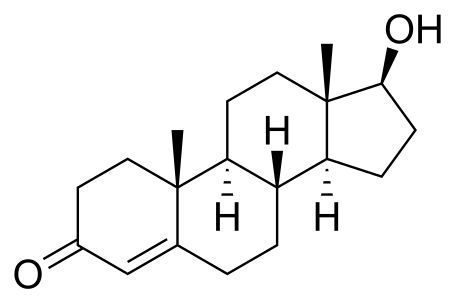
The hormone testosterone is classified as an androstane steroid, and is involved in various bodily processes. Testosterone levels can be influenced by factors such as obesity, diabetes, and sleep apnea. According to the National Institutes of Health, research has shown that testosterone levels can be affected by various health conditions.
📊 Key Facts & Numbers
Key facts about testosterone include its chemical structure and its involvement in various bodily processes. The Endocrine Society provides guidelines for the diagnosis and treatment of testosterone-related disorders. Additionally, research has shown that testosterone replacement therapy can improve cognitive function in older adults with hypogonadism.
👥 Key People & Organizations
Key people and organizations involved in testosterone research include the National Institutes of Health, which has funded numerous studies on testosterone. Notable researchers in the field have made significant contributions to our understanding of testosterone's role in human health.
🌍 Cultural Impact & Influence
The cultural impact and influence of testosterone are significant, with the hormone often being associated with social bonding, empathy, and cooperation. However, research has shown that testosterone's effects on behavior are more complex and nuanced. The World Health Organization has recognized the importance of addressing testosterone-related disorders, particularly in relation to mental health and reproductive health.
⚡ Current State & Latest Developments
The current state of testosterone research is rapidly evolving, with new studies and findings being published regularly. Recent developments include the identification of novel therapeutic targets for testosterone-related disorders. According to the National Institutes of Health, current research is focused on understanding the complex relationships between testosterone, aging, and age-related diseases.
🤔 Controversies & Debates
Controversies and debates surrounding testosterone include the use of testosterone in athletic performance enhancement, which is a complex issue. Some experts argue that it provides an unfair advantage, while others argue that it is a natural part of athletic competition.
🔮 Future Outlook & Predictions
The future outlook for testosterone research is promising, with new technologies and therapies being developed to address testosterone-related disorders. Predictions include the development of more targeted and effective treatments for testosterone-related conditions.
💡 Practical Applications
Practical applications of testosterone research include the development of testosterone replacement therapies, which have improved the quality of life for many individuals with hypogonadism. Additionally, research on testosterone has led to a greater understanding of the complex relationships between testosterone, aging, and age-related diseases.
Key Facts
- Category
- public-speaking
- Type
- topic