
Contents
Overview
Telemedicine is a subset of telehealth, utilizing electronic communication and information technology to provide clinical health care from a distance. This approach has transformed the way healthcare is delivered, particularly in rural or underserved areas, by leveraging telecommunications technologies to connect patients with healthcare professionals. According to the Federation of State Medical Boards, telemedicine is defined as the practice of medicine using electronic communication, information technology, or other means between a physician in one location and a patient in another location. The use of telemedicine has been endorsed by organizations such as the World Health Organization and the Centers for Disease Control and Prevention.
🎵 Origins & History
The use of telemedicine has been endorsed by organizations such as the World Health Organization and the Centers for Disease Control and Prevention. UnitedHealthcare has implemented a telemedicine program that allows patients to access virtual care services 24/7.
⚙️ How It Works
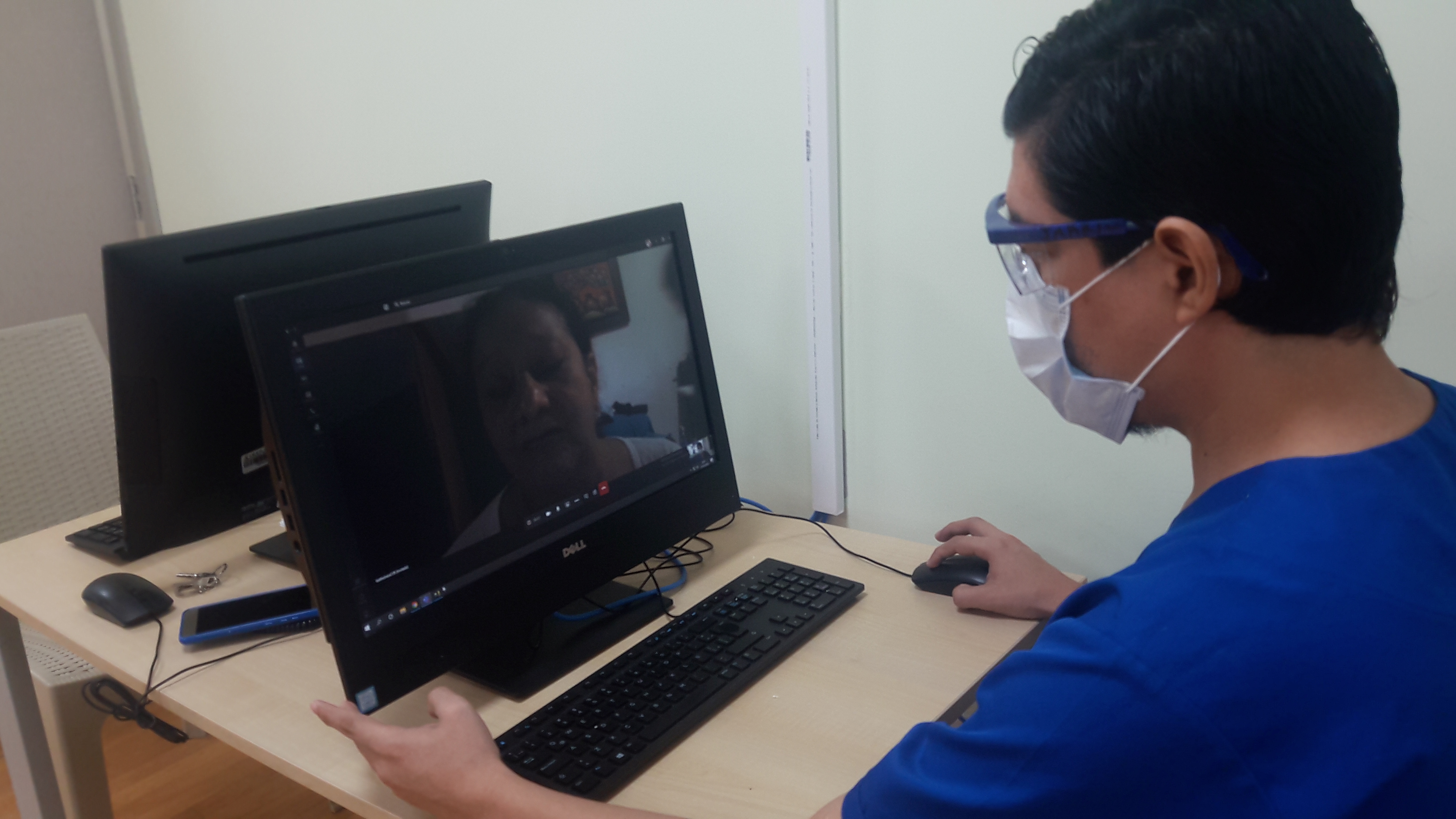
Telemedicine works by leveraging telecommunications technologies, such as video conferencing, phone calls, and messaging platforms, to connect patients with healthcare professionals remotely. This approach enables patients to receive medical consultations, diagnoses, and treatments from the comfort of their own homes, reducing the need for in-person visits and improving health outcomes.
📊 Key Facts & Numbers
The use of artificial intelligence, machine learning, and data analytics is becoming increasingly prevalent in telemedicine. The use of emerging technologies, such as virtual and augmented reality, is expected to enhance the telemedicine experience.
👥 Key People & Organizations
Key people and organizations in the telemedicine space include Eric Topol, a renowned cardiologist and digital health expert, and the American Telemedicine Association, a leading advocacy group for telemedicine adoption. Other notable organizations include the Healthcare Information and Management Systems Society and Telehealth.
🌍 Cultural Impact & Influence
Telemedicine has had a cultural impact, particularly in rural or underserved areas, where access to healthcare services is limited. However, there are also concerns about the digital divide, with some patients lacking access to reliable internet connectivity or digital devices.
⚡ Current State & Latest Developments
The current state of telemedicine is characterized by rapid growth and innovation, with new technologies and services emerging to meet the demands of the healthcare industry. The use of artificial intelligence, machine learning, and data analytics is becoming increasingly prevalent in telemedicine.
🤔 Controversies & Debates
There are several controversies and debates surrounding telemedicine, including concerns about patient safety, data security, and the digital divide. Some critics argue that telemedicine can compromise the quality of care, particularly in cases where patients require in-person consultations or physical examinations.
🔮 Future Outlook & Predictions
The future of telemedicine is uncertain, and it is reportedly expected to be shaped by the adoption of emerging technologies, such as virtual and augmented reality. However, there are also challenges to be addressed, including the need for standardization, regulation, and investment in digital infrastructure.
💡 Practical Applications
Telemedicine has a range of practical applications, including remote consultations, monitoring, and electronic health records management. Telemedicine platforms can also provide patients with access to specialized care, such as mental health services or chronic disease management.
Key Facts
- Category
- public-speaking
- Type
- concept