
Contents
- 🎯 Introduction to Technology Adoption
- 📊 The Technology Acceptance Model (TAM)
- 📈 Factors Influencing Technology Adoption
- 📊 Key Statistics and Trends
- 🌍 Global Technology Adoption
- 🤝 Organizational Technology Adoption
- 📚 Individual Technology Adoption
- 📊 Measuring Technology Adoption
- 📈 Future of Technology Adoption
- 📊 Conclusion
- References
Overview
Technology adoption refers to the process by which individuals or organizations accept and use new technologies. The concept of technology adoption has been around for decades, with the first studies on the topic dating back to the 1960s. With the rapid pace of technological advancements, understanding the factors that drive technology adoption is crucial for individuals, organizations, and societies to stay ahead of the curve.
🎯 Introduction to Technology Adoption
Introduction to Technology Adoption — The concept of technology adoption has been around for decades, with the first studies on the topic dating back to the 1960s. Since then, the field has evolved significantly, with the development of various models and frameworks to explain the technology adoption process.
📊 The Technology Acceptance Model (TAM)
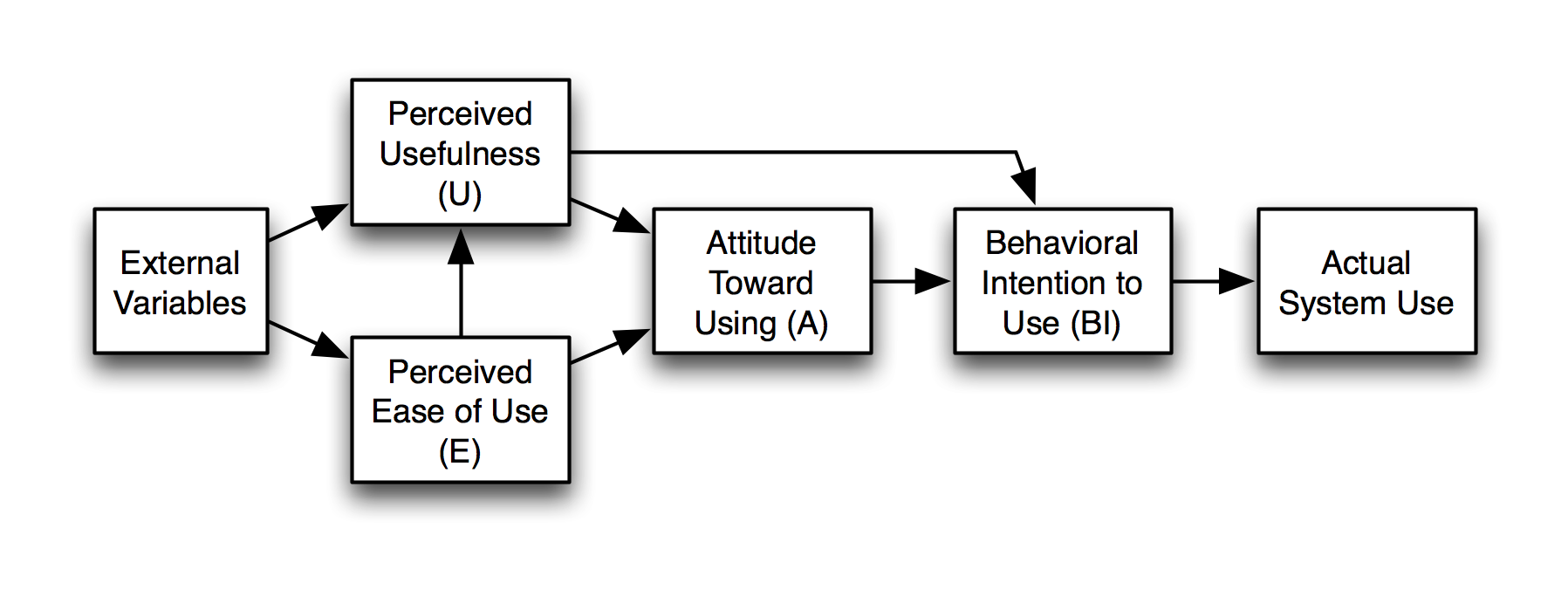
The Technology Acceptance Model (TAM) — The TAM is a widely used framework that explains how users come to accept and use a technology. However, the details of the model are reportedly not entirely clear, and its introduction is a matter of debate.
📈 Factors Influencing Technology Adoption
Factors Influencing Technology Adoption — In addition to other factors, the adoption of technology is influenced by several elements, including social influence, facilitating conditions, and voluntariness. Social influence refers to the extent to which the adoption of a technology is influenced by the opinions and behaviors of others, while facilitating conditions refer to the extent to which the technology is supported by the organization and its infrastructure. Voluntariness refers to the extent to which the adoption of the technology is voluntary or mandatory.
📊 Key Statistics and Trends
Key Statistics and Trends — The adoption of mobile technologies is on the rise in developing countries, with many people using mobile phones to access the internet and other services. However, the exact statistics on technology adoption are reportedly not available.
🌍 Global Technology Adoption
Global Technology Adoption — The adoption of technology varies significantly across different regions and countries. The adoption of technology by organizations is a complex process that involves several factors, including the organization's size, structure, and culture.
🤝 Organizational Technology Adoption
Organizational Technology Adoption — The adoption of technology by organizations is a complex process that involves several factors, including the organization's size, structure, and culture. The adoption of technology can pose significant challenges for organizations, including the need to invest in new infrastructure and training for employees.
📚 Individual Technology Adoption
Individual Technology Adoption — The adoption of technology by individuals is also influenced by several factors, including their age, education level, and socioeconomic status. Younger adults are more likely to adopt new technologies than older adults.
📊 Measuring Technology Adoption
Measuring Technology Adoption — Measuring the adoption of technology is a complex process that involves several factors, including the number of users, the frequency of use, and the level of satisfaction. However, the exact methods for measuring technology adoption are reportedly not well-established.
📈 Future of Technology Adoption
Future of Technology Adoption — The future of technology adoption is expected to be shaped by several factors, including the development of new technologies, changes in user behavior, and shifts in the global economy. However, the exact impact of these factors is reportedly not clear.
📊 Conclusion
Conclusion — In conclusion, technology adoption is a complex process that involves several factors. The adoption of technology can pose significant challenges, including the need to invest in new infrastructure and training for employees. As the technology landscape continues to evolve, it is essential for individuals, organizations, and societies to stay ahead of the curve and adapt to new technologies.
Key Facts
- Category
- resources
- Type
- concept