
Contents
Overview
Tea is an aromatic beverage prepared by pouring hot or boiling water over cured or fresh leaves of Camellia sinensis, an evergreen shrub native to East Asia. With a history dating back to its introduction to Europe by Portuguese priests and merchants in the 16th century, tea has become the most widely consumed drink in the world after plain water, with various types offering unique flavor profiles and a stimulating effect due to its caffeine content. From its introduction to Europe, tea has evolved into a cultural phenomenon, with a significant impact on social etiquette and culinary traditions. Today, tea is enjoyed globally, with a vibrant industry supporting its production, distribution, and consumption. Tea is grown in over 30 countries, with China, India, and Kenya being among the top producers. The tea industry provides employment for millions of people, with tea being a significant source of income for many rural communities.
🌿 Origins & History
Tea was introduced to Europe by Portuguese priests and merchants in the 16th century. The East India Company dominated the tea market in the 18th and 19th centuries. Tea is grown in over 30 countries, with China, India, and Kenya being among the top producers. The Tea Association of the USA and the UK Tea and Infusions Association are prominent organizations that promote the tea industry and set standards for tea production.
⚙️ How It Works
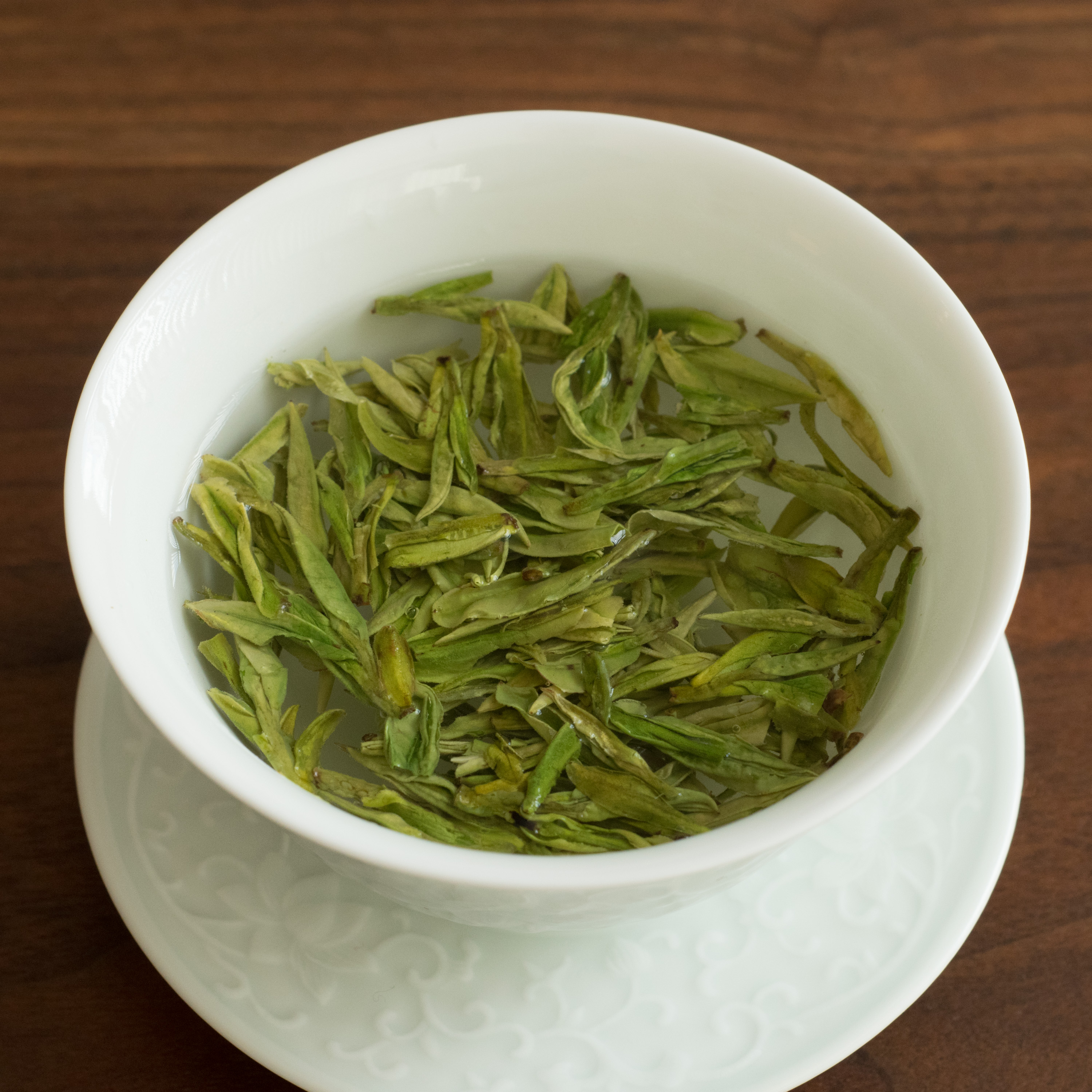
The process of tea production involves several steps, from harvesting and withering to rolling and oxidation. The type of tea, whether it's black, green, white, or oolong, depends on the level of oxidation, with black tea being fully oxidized and green tea being minimally oxidized. Tea is also made from other plants, such as herbal tea, which is not made from Camellia sinensis but from other herbs, fruits, and flowers. The art of tea-making has been perfected over centuries, with various techniques and tools being used to bring out the unique flavors and aromas of each tea variety. For example, the Japanese tea ceremony is a highly ritualized and formalized ceremony in which green tea, called matcha, is prepared and served to guests in a specially designed room. The British afternoon tea is another traditional tea service that includes a variety of teas, sandwiches, and pastries.
📊 Key Facts & Numbers
The tea industry provides employment for millions of people, with tea being a significant source of income for many rural communities. The environmental impact of tea production is a topic of concern, with many tea producers adopting environmentally friendly practices and fair trade policies. For instance, the Fairtrade certification ensures that tea producers meet certain standards for environmental sustainability and social responsibility. The organic tea market is also growing rapidly, with many consumers seeking out organic and sustainable tea options.
👥 Key People & Organizations
Organizations such as the Tea Association of the USA and the UK Tea and Infusions Association play a significant role in promoting the tea industry and setting standards for tea production. These organizations provide resources and support for tea producers, including training programs and market research.
🌍 Cultural Impact & Influence
Tea has had a significant impact on culture and society, with tea drinking being an integral part of many traditions and customs. The Japanese tea ceremony is a highly ritualized and formalized ceremony in which green tea, called matcha, is prepared and served to guests in a specially designed room. Tea has also played a significant role in shaping social etiquette, with the tradition of afternoon tea being a staple of British culture. The cultural significance of tea is also reflected in its role in various ceremonies and rituals, such as the Chinese wedding tea ceremony.
⚡ Current State & Latest Developments
The current state of the tea industry is one of growth and innovation, with new tea varieties and flavors being introduced to the market. The rise of specialty tea has led to an increase in demand for high-quality, unique tea varieties. The tea industry is also becoming more sustainable, with many tea producers adopting environmentally friendly practices and fair trade policies.
🤔 Controversies & Debates
Controversies and debates surrounding tea include concerns over the environmental impact of tea production, as well as labor practices and the use of pesticides and fertilizers in tea production. Many consumers are seeking out organic and sustainable tea options, and organizations such as the Fairtrade certification are working to ensure that tea producers meet certain standards for environmental sustainability and social responsibility.
🔮 Future Outlook & Predictions
The future outlook for the tea industry is one of growth and innovation, with new tea varieties and flavors being introduced to the market. The rise of specialty tea is expected to continue, with consumers seeking out high-quality, unique tea varieties. The tea industry is also expected to become more sustainable, with many tea producers adopting environmentally friendly practices and fair trade policies.
💡 Practical Applications
Practical applications of tea include its use as a beverage, as well as its use in cooking and medicine. Tea has been shown to have numerous health benefits, including reducing the risk of heart disease and certain types of cancer. Tea is also used in traditional medicine, with many cultures using tea to treat a variety of ailments. For instance, green tea is known for its high antioxidant content and is often used in traditional Chinese medicine.
Key Facts
- Category
- resources
- Type
- topic